CARTOGRAPHIE SENSIBLE
Cartographier ce qui ne se voit pas
Entre émotion, territoire et imaginaire
-
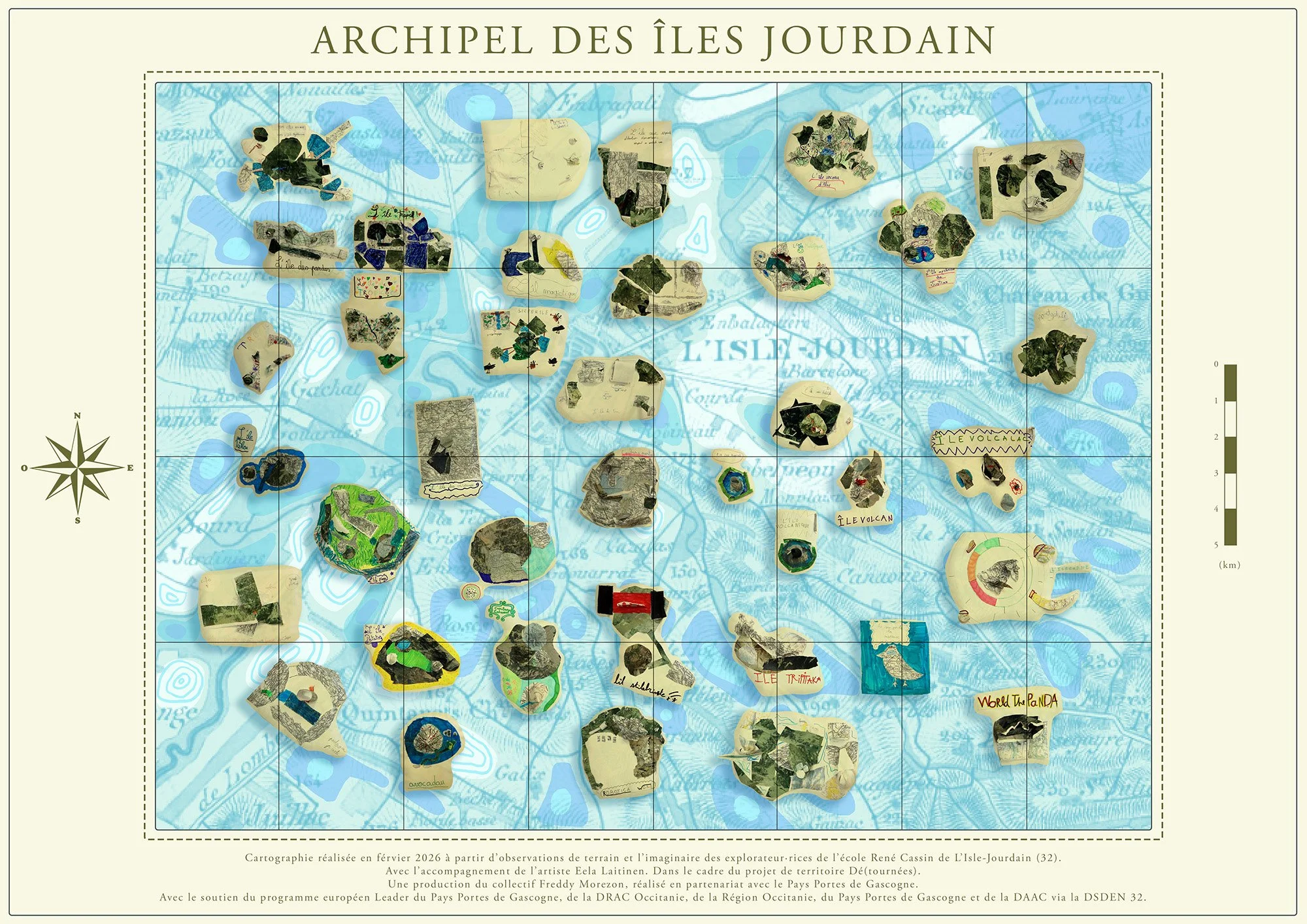
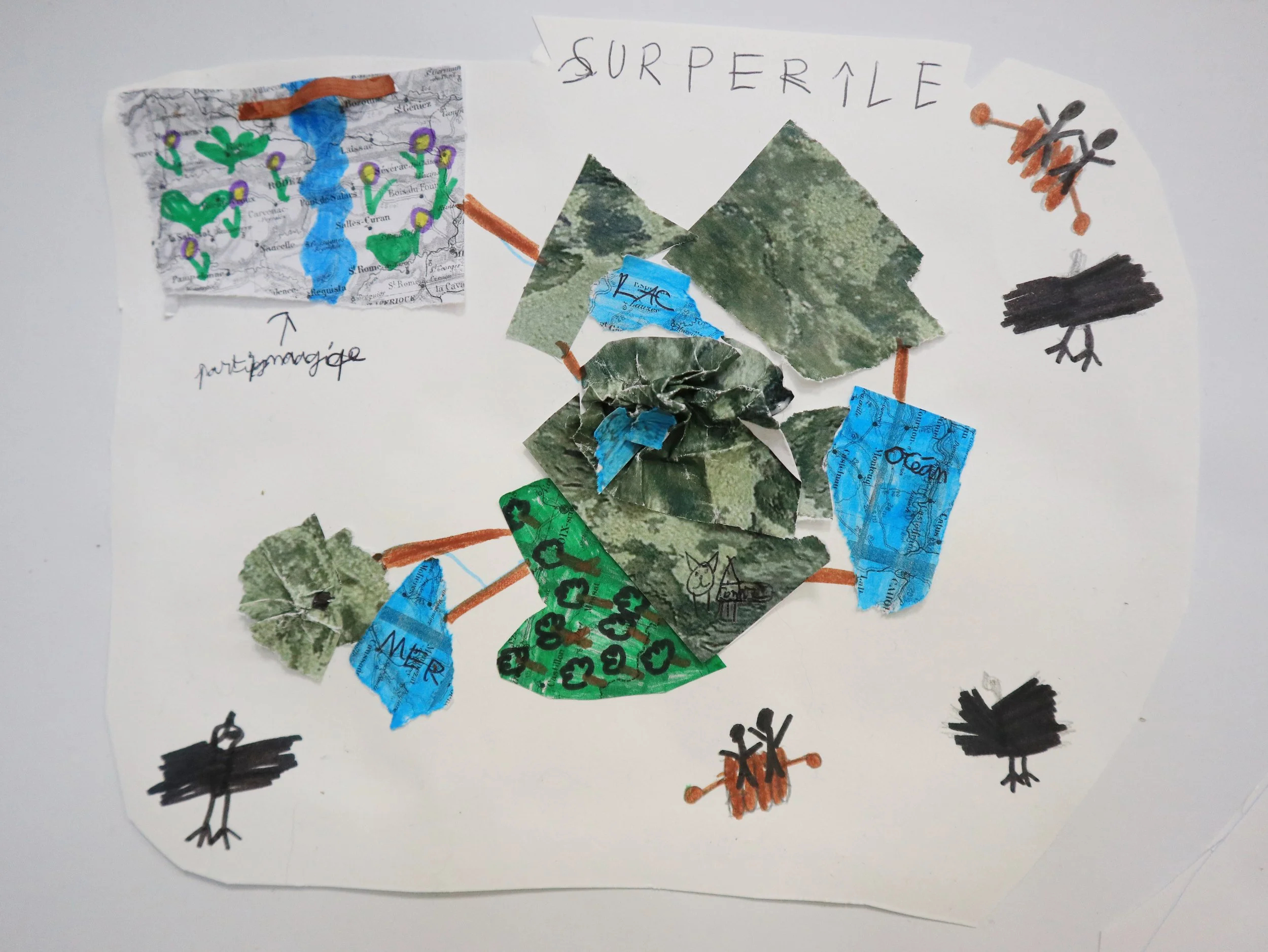
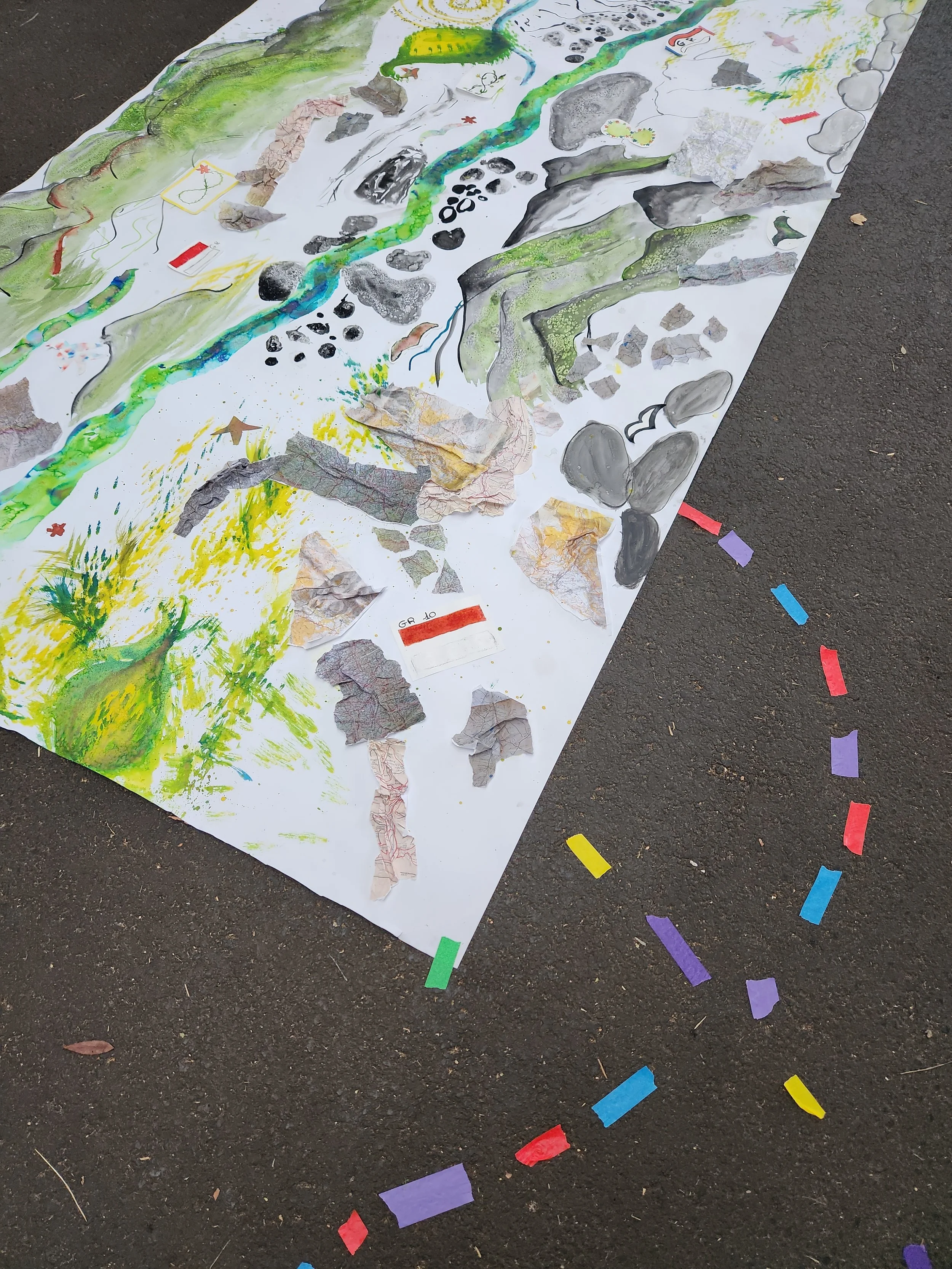
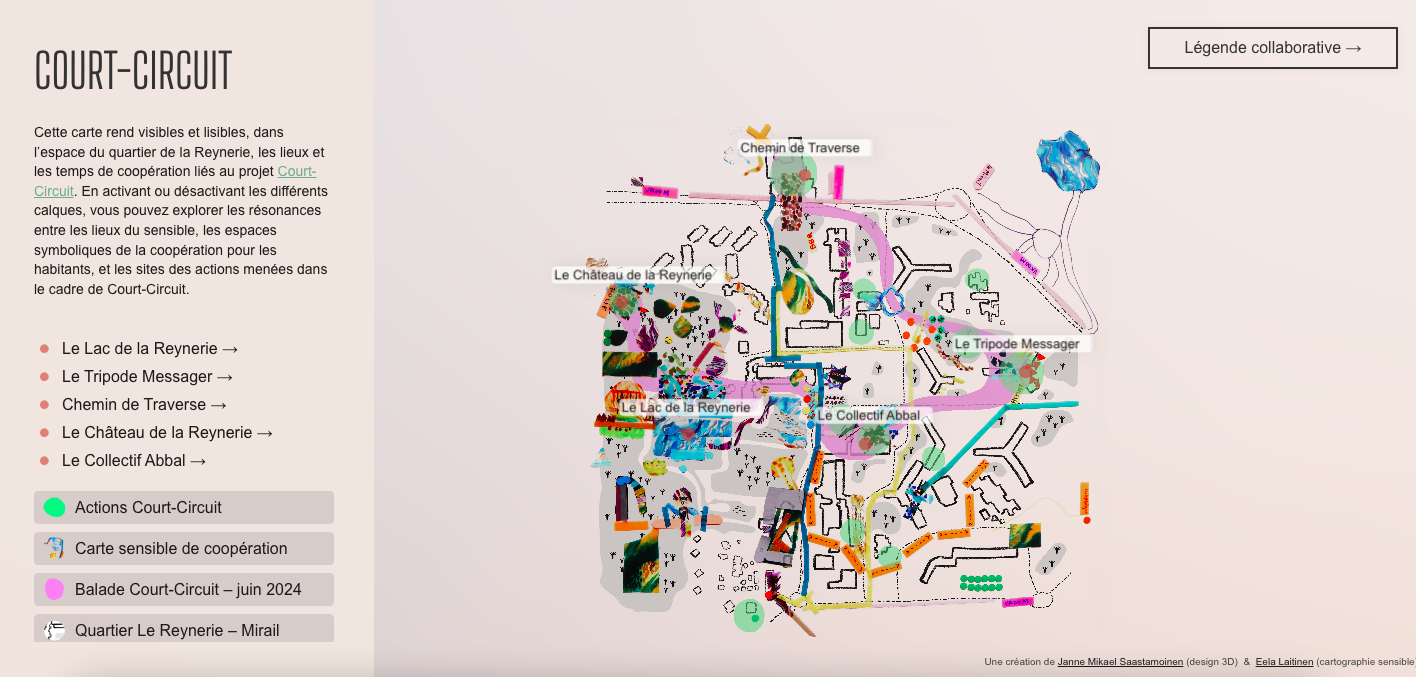
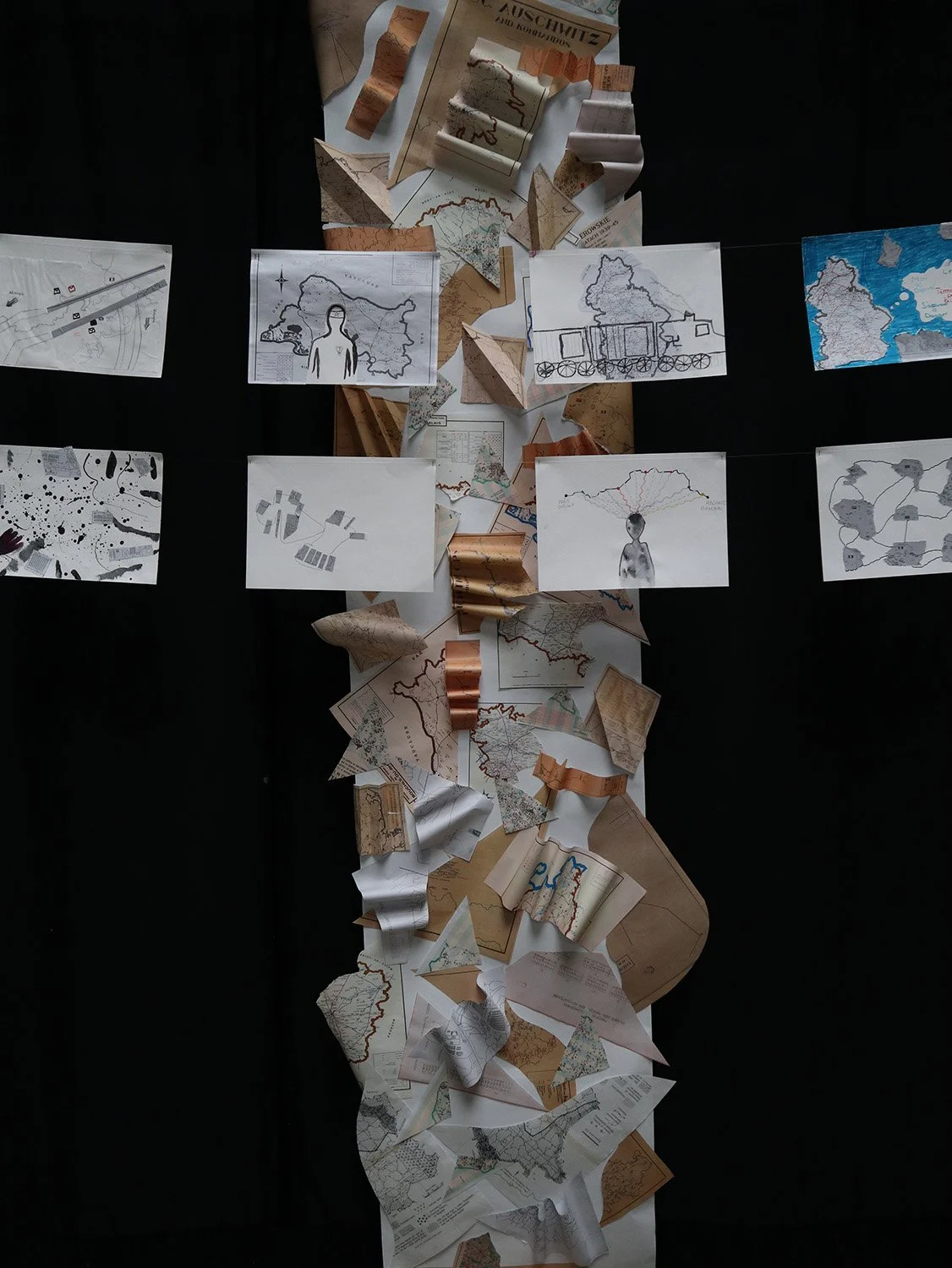
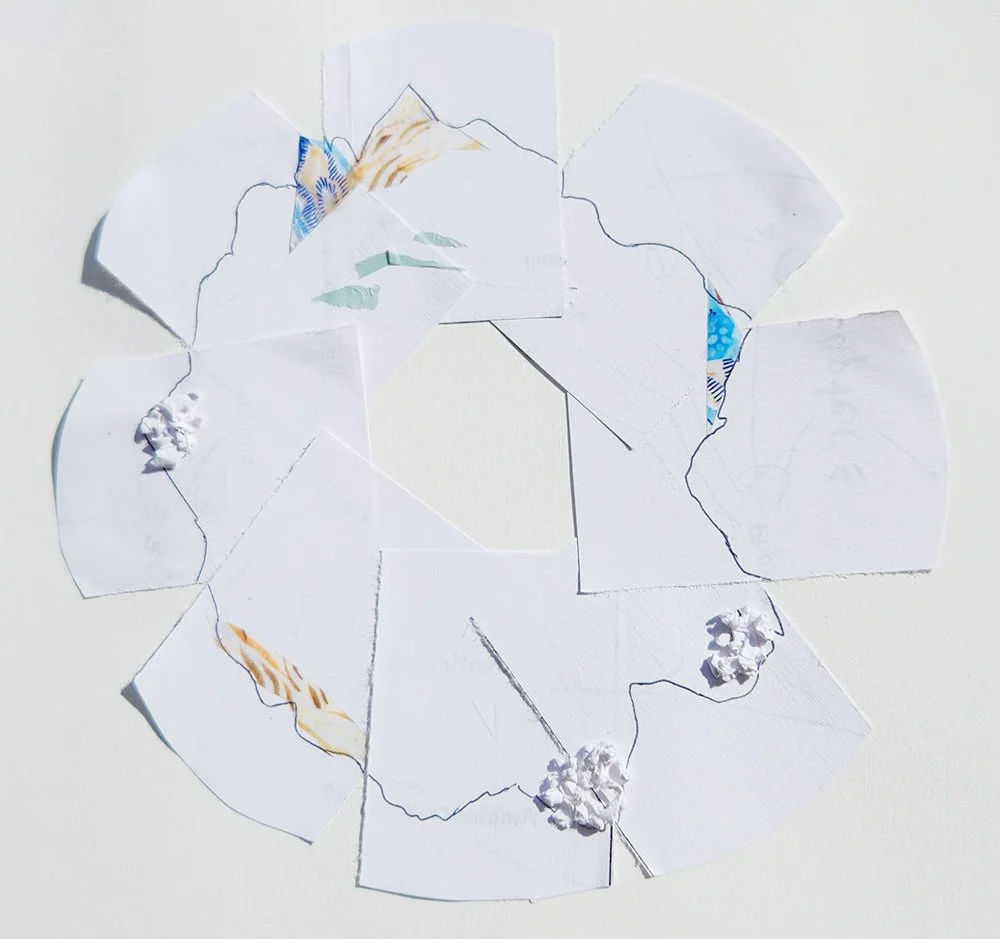
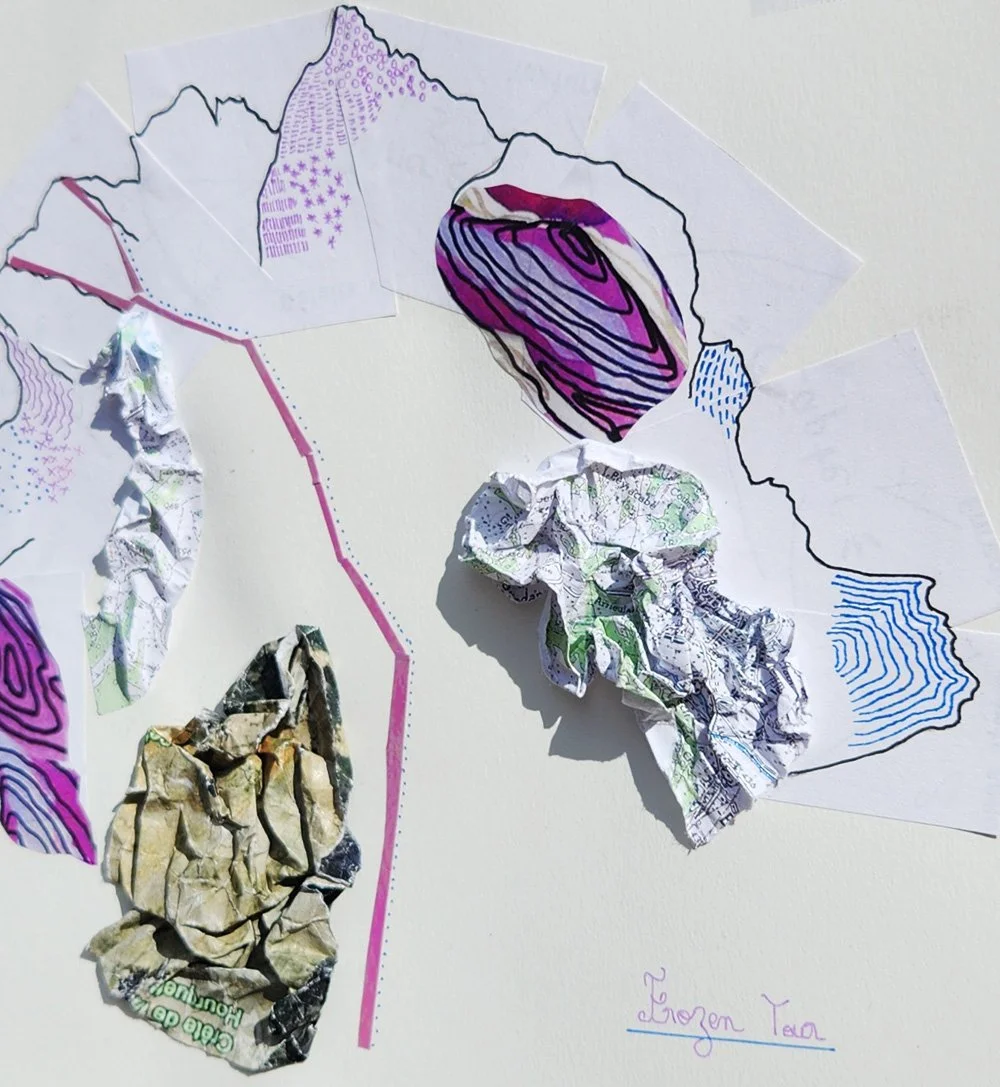
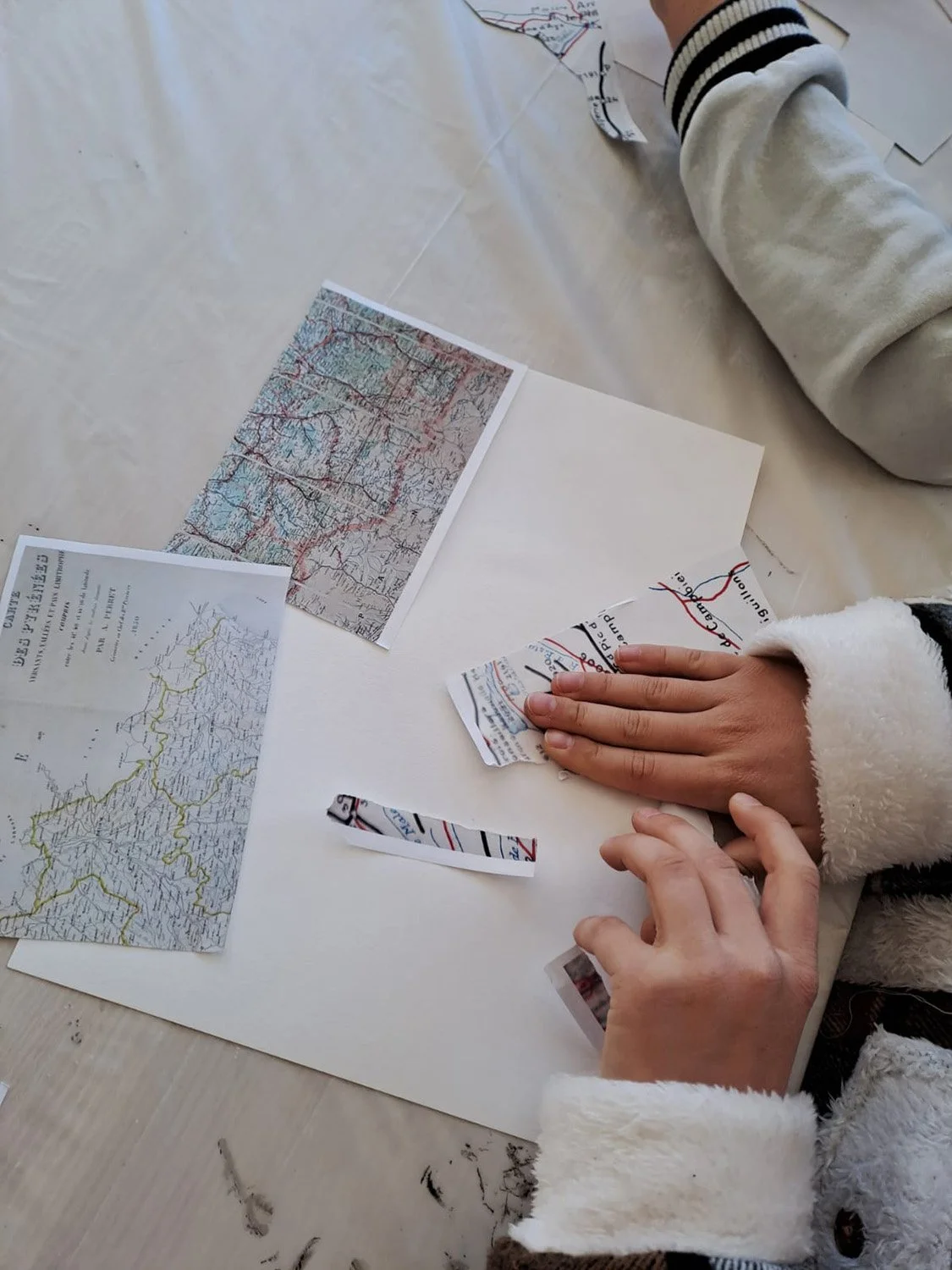
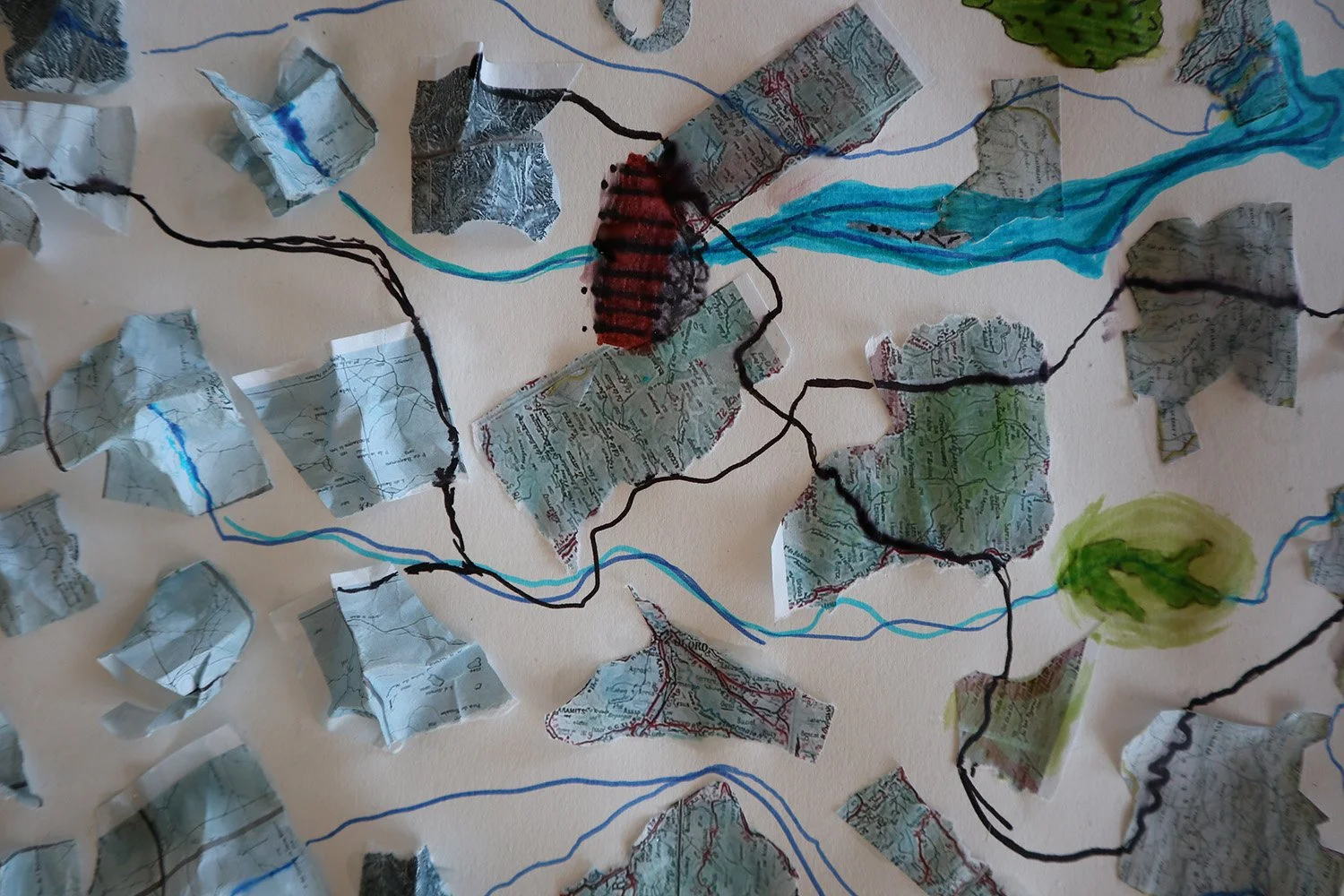
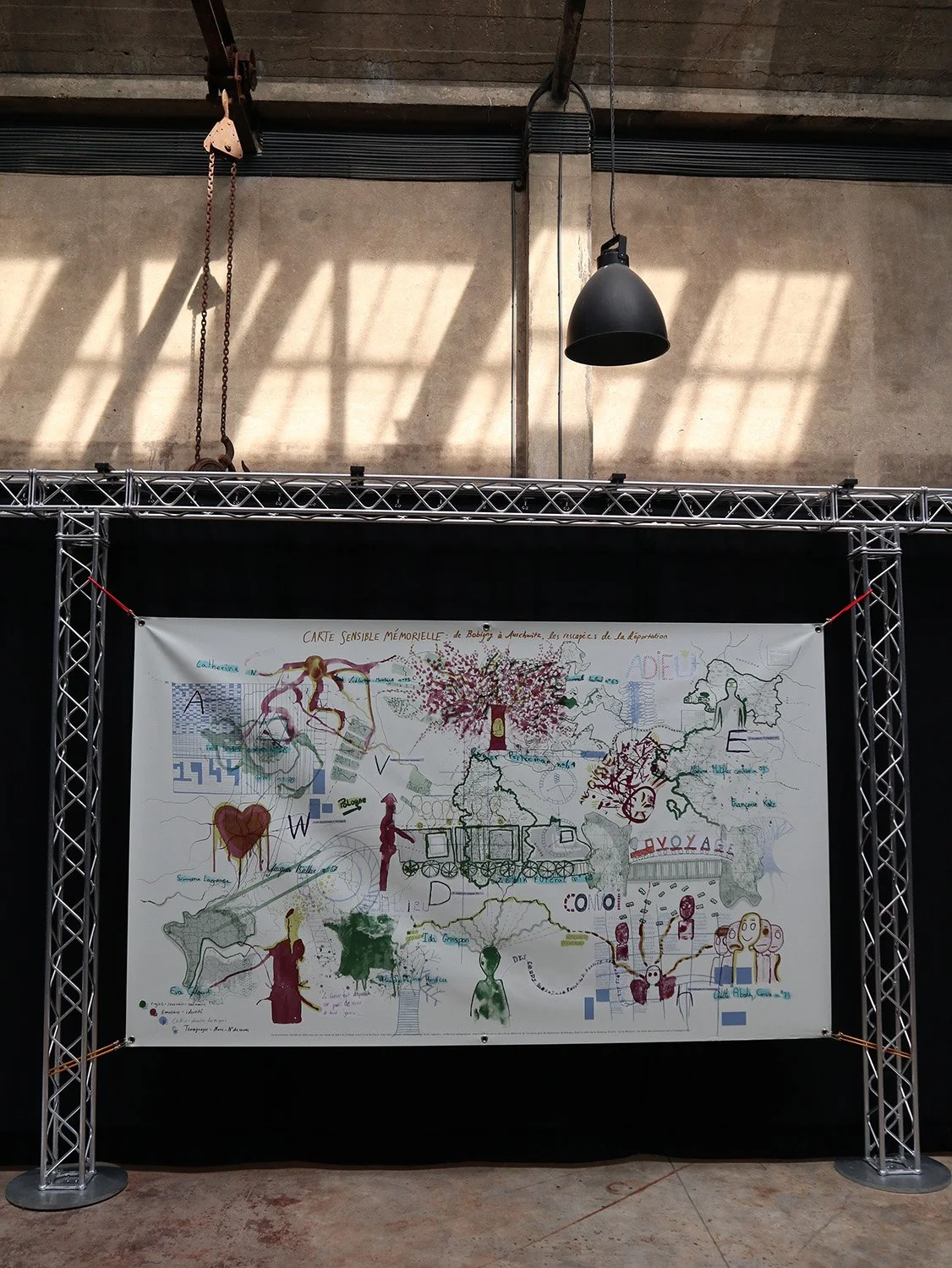
Depuis plusieurs années, je travaille autour de la cartographie dans mes œuvres (cartes marines, cartes des Pyrénées). Sans être cartographe ni géographe, j’utilise et transforme des cartes existantes, soit comme supports de peinture, soit comme matière à découper et assembler. Je crée également des cartes sensibles.
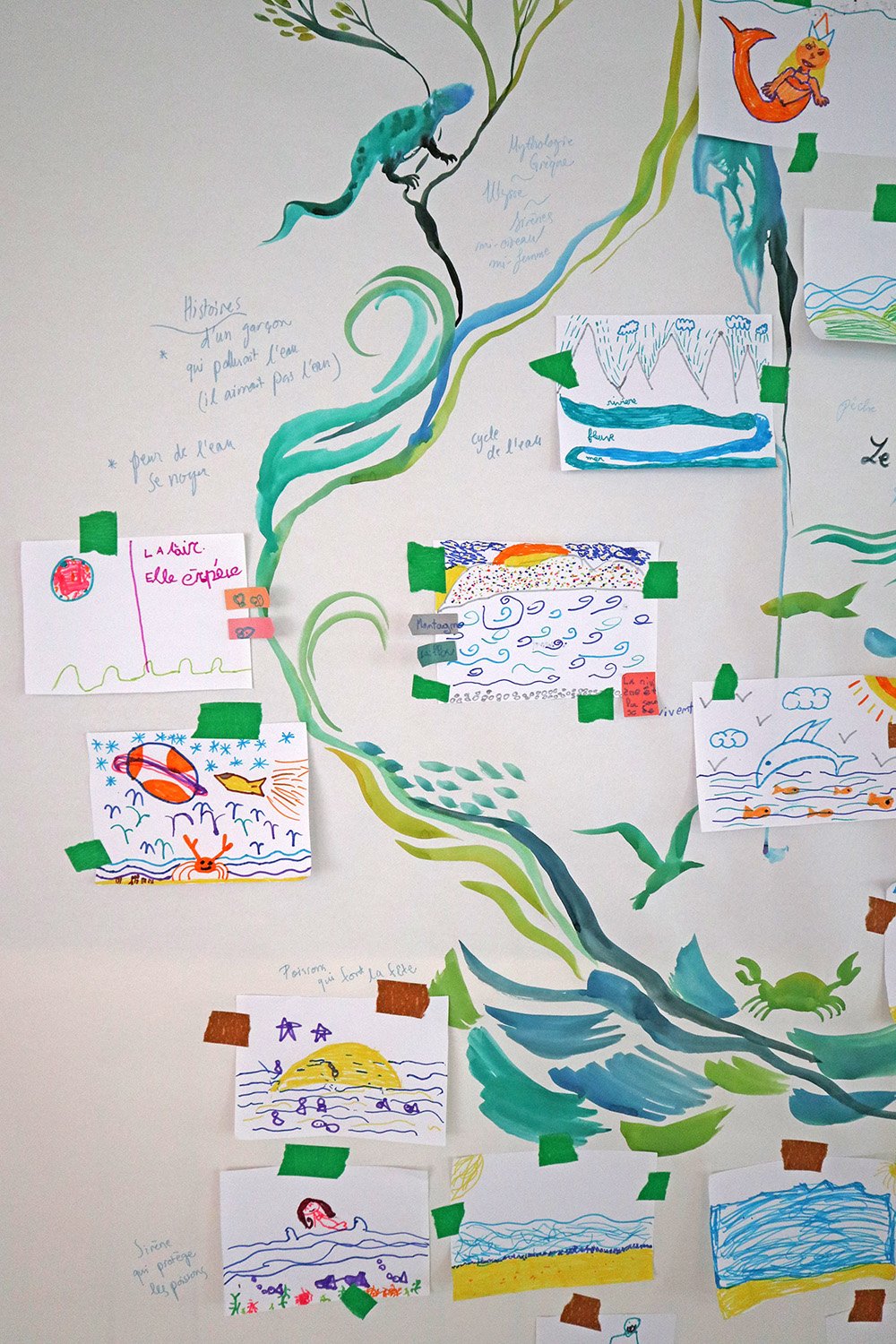
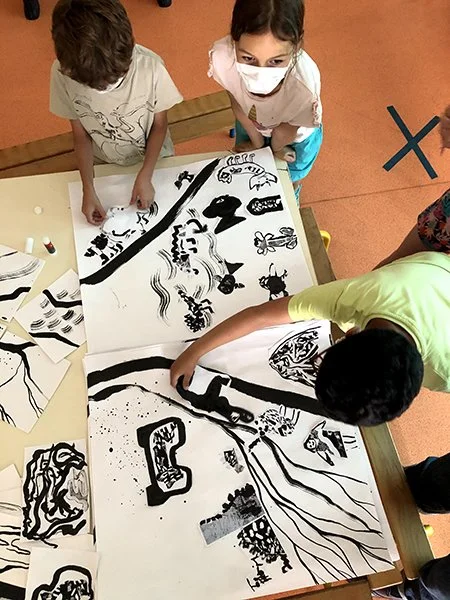
Parallèlement à ma pratique artistique, je propose des ateliers de cartographie sensible. Depuis 2021, j’en ai développé plusieurs formats. Ces projets nourrissent ma recherche et me permettent d’explorer sans cesse de nouvelles approches.
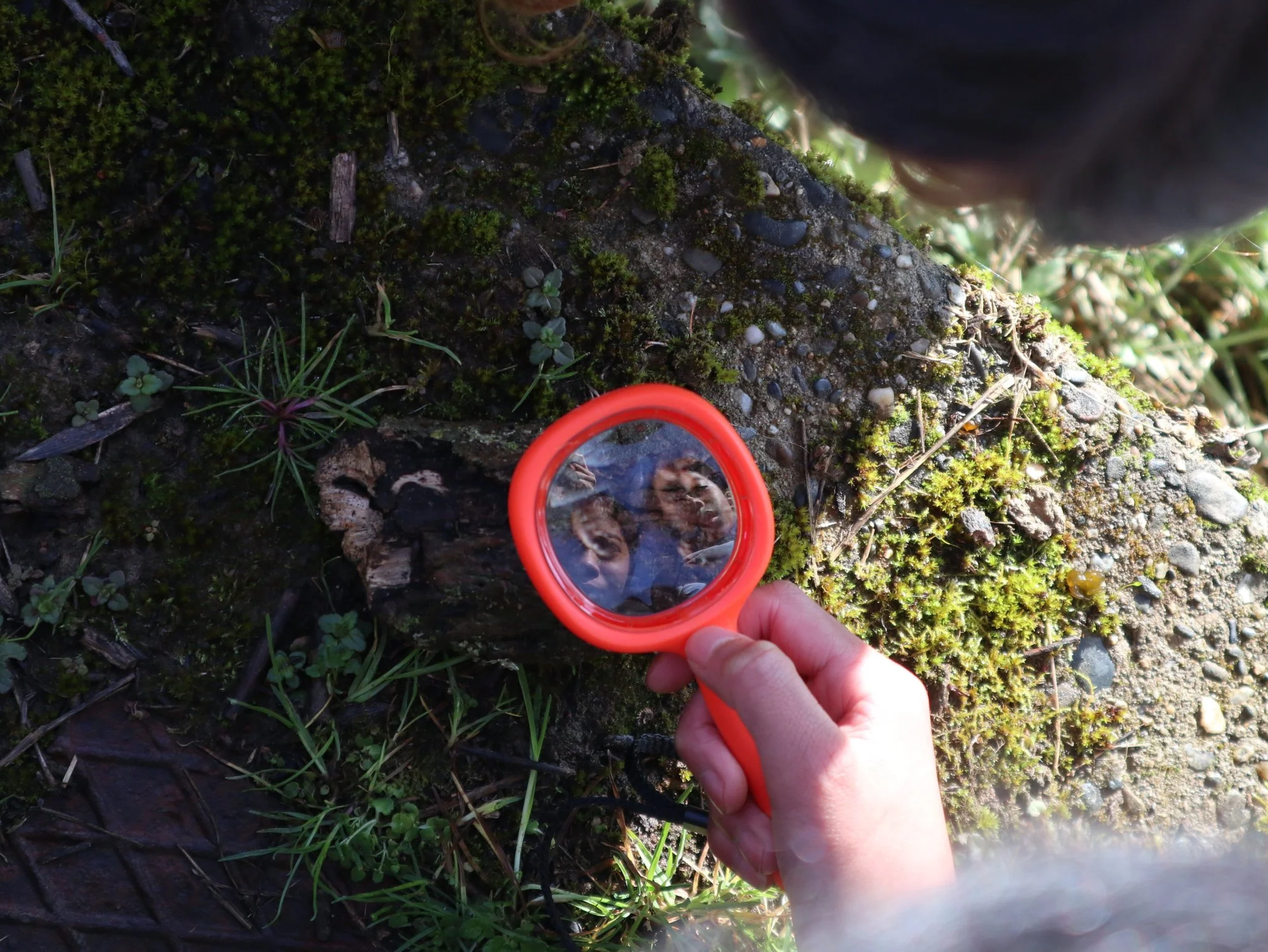
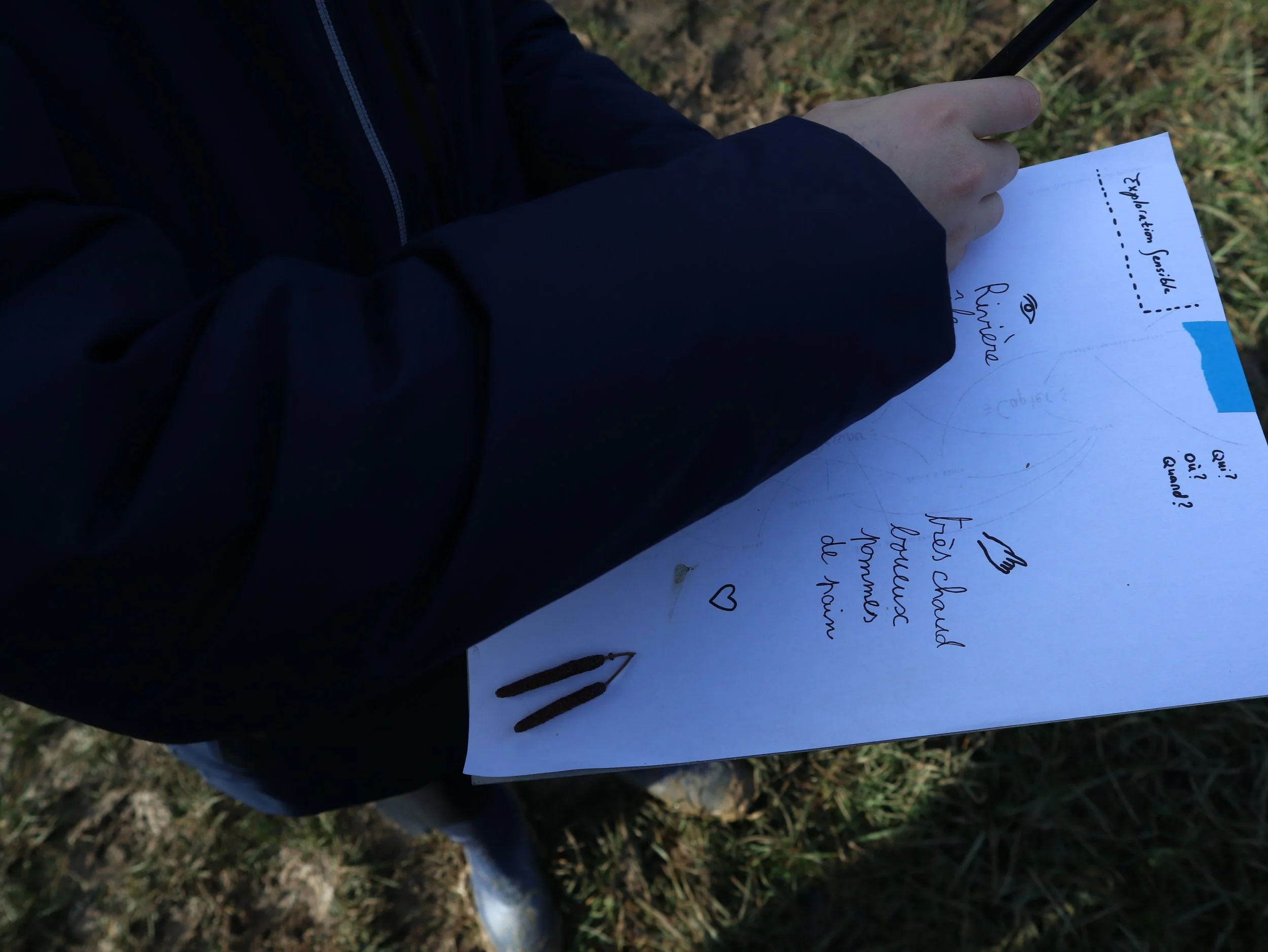
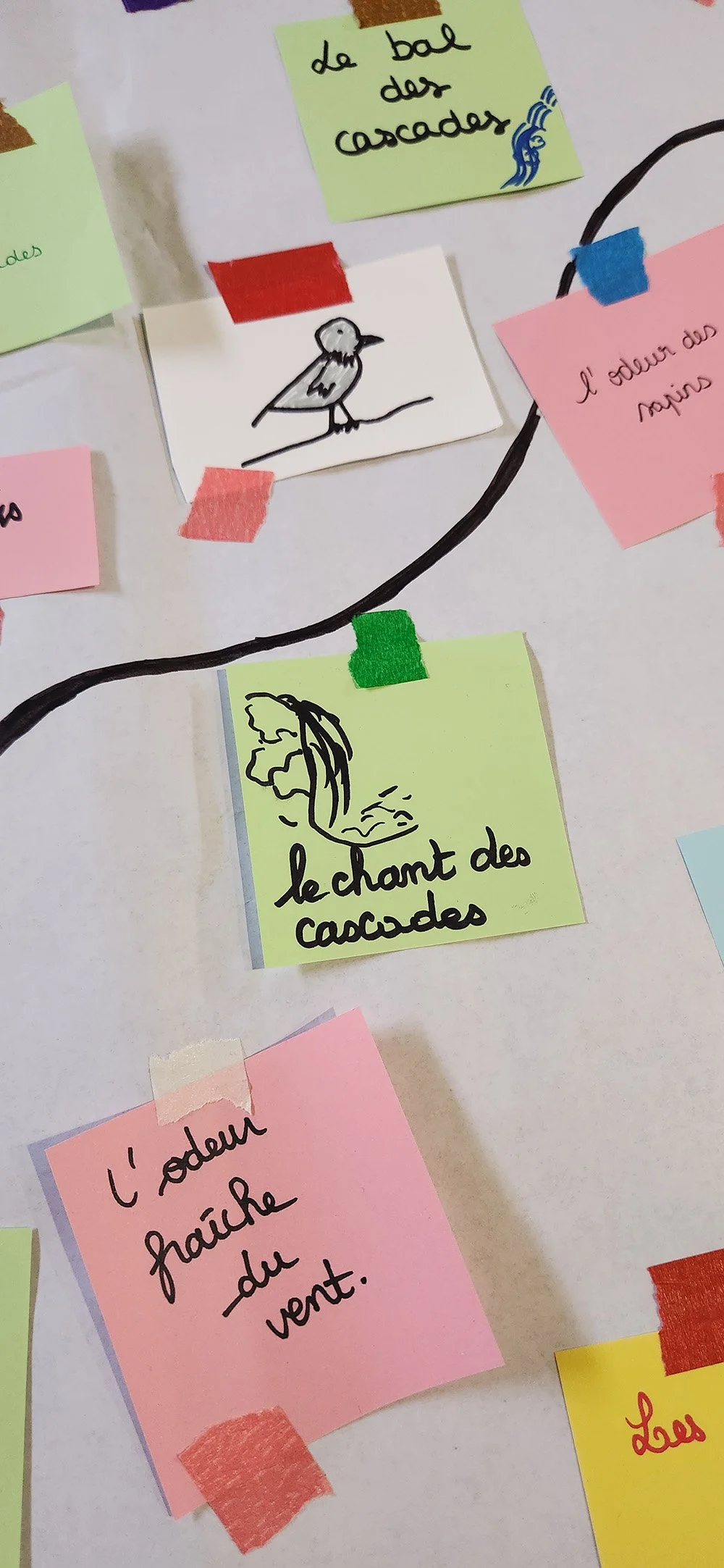
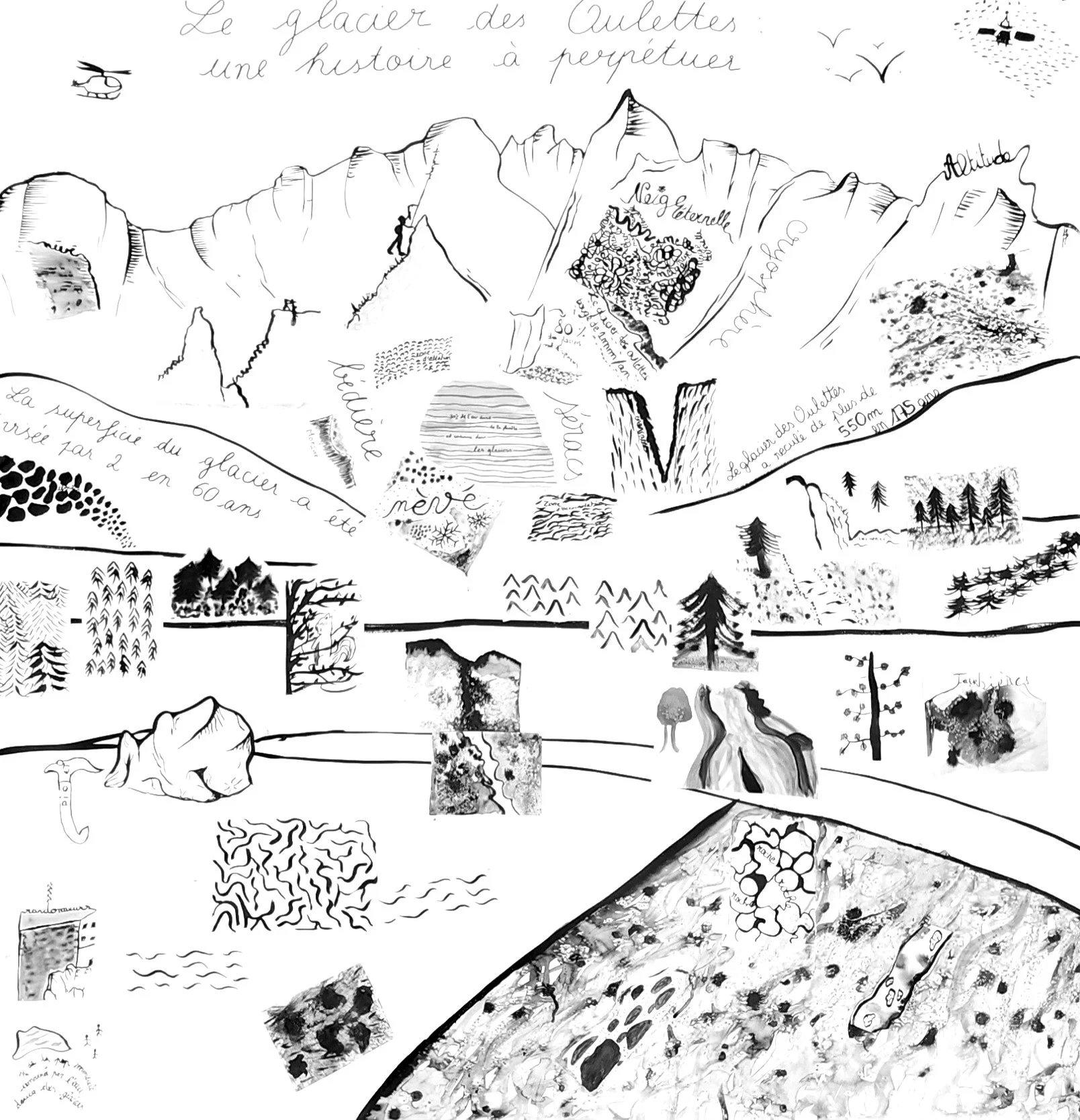
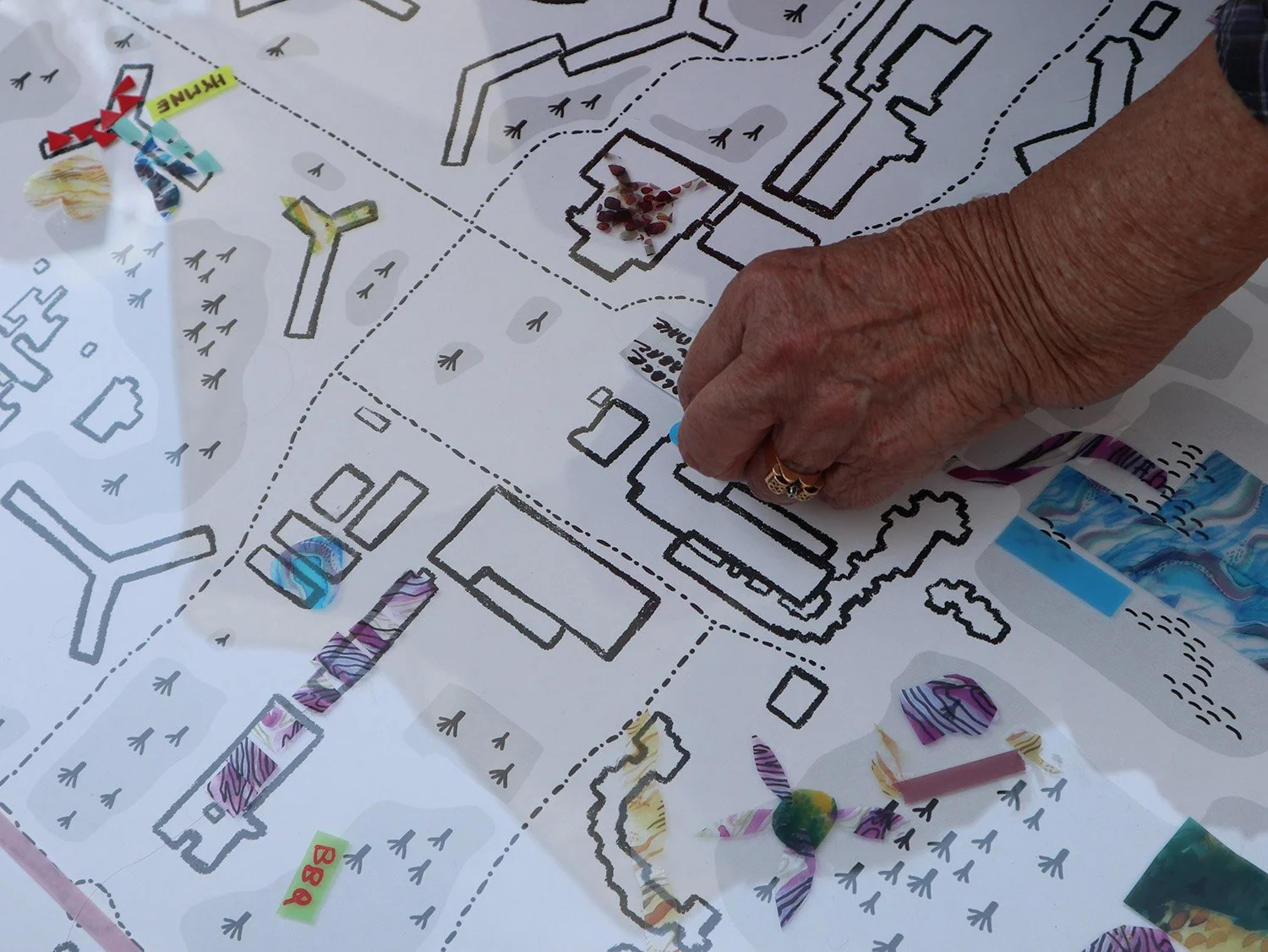
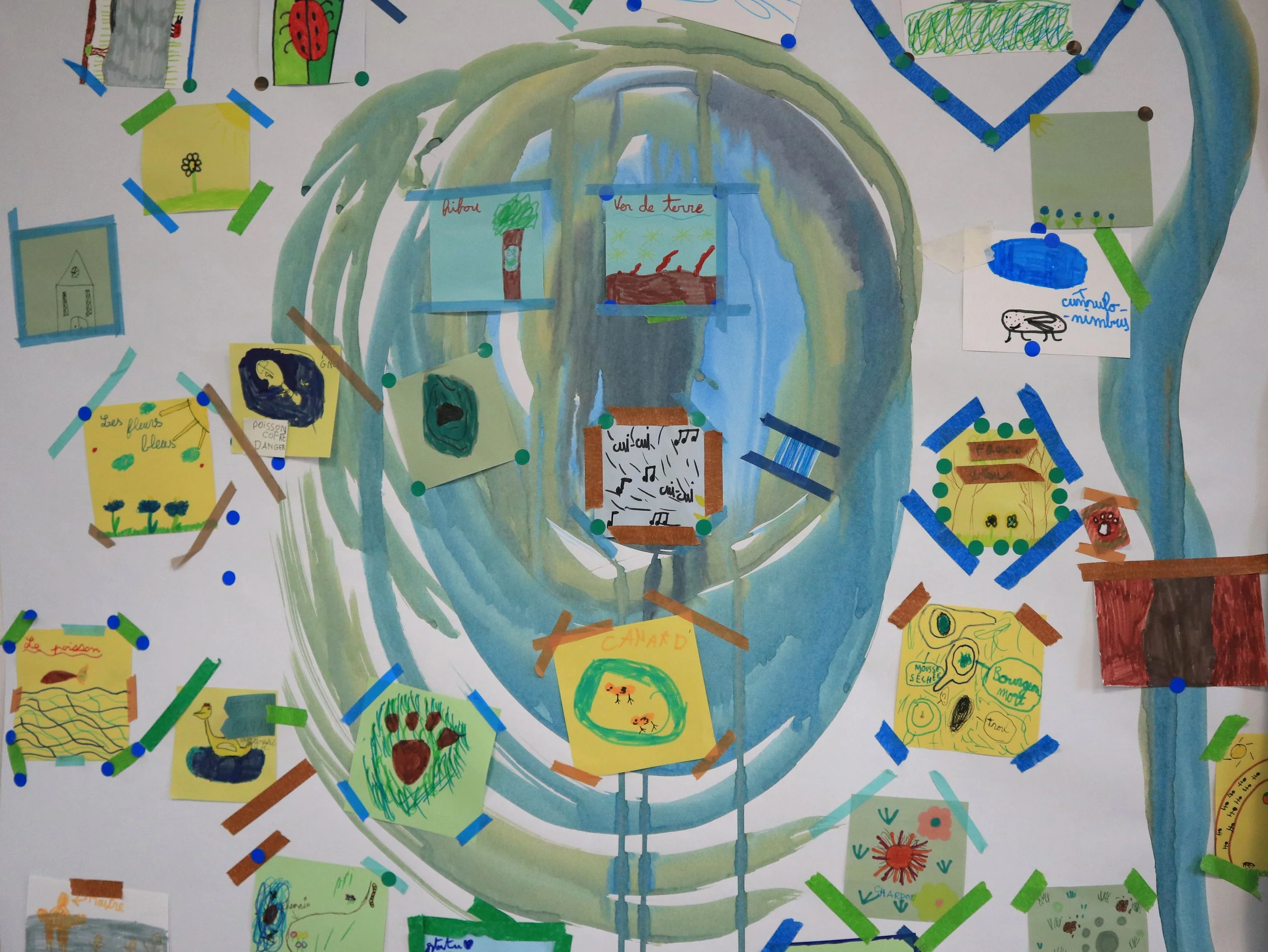
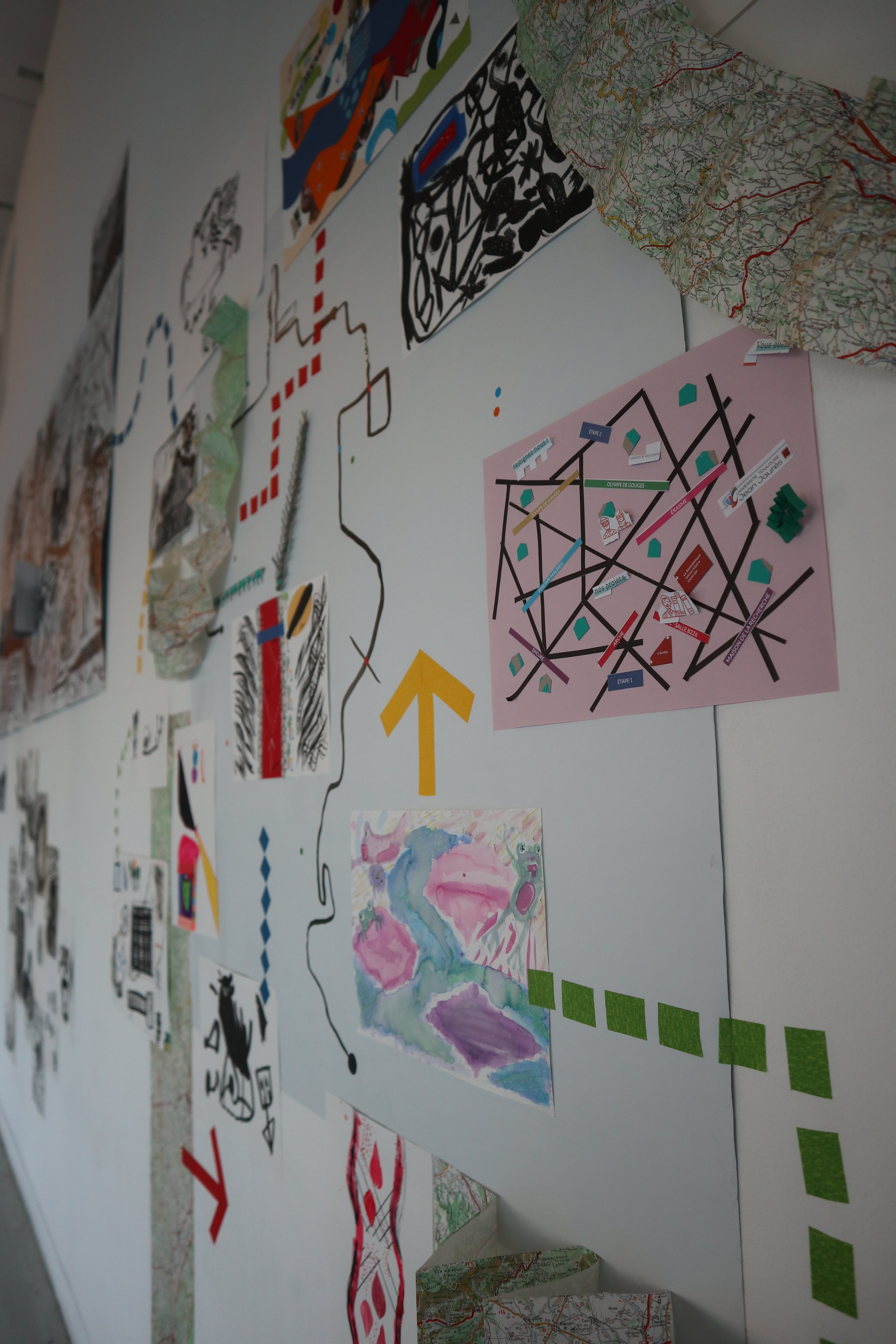
La cartographie sensible propose une lecture subjective d’un lieu. Elle s’intéresse moins à la précision géographique qu’aux sensations, émotions et perceptions liées à un espace. Il s’agit de cartographier ce qui est vécu et ressenti, autant que ce qui est visible.
Contenu possible d’un atelier :
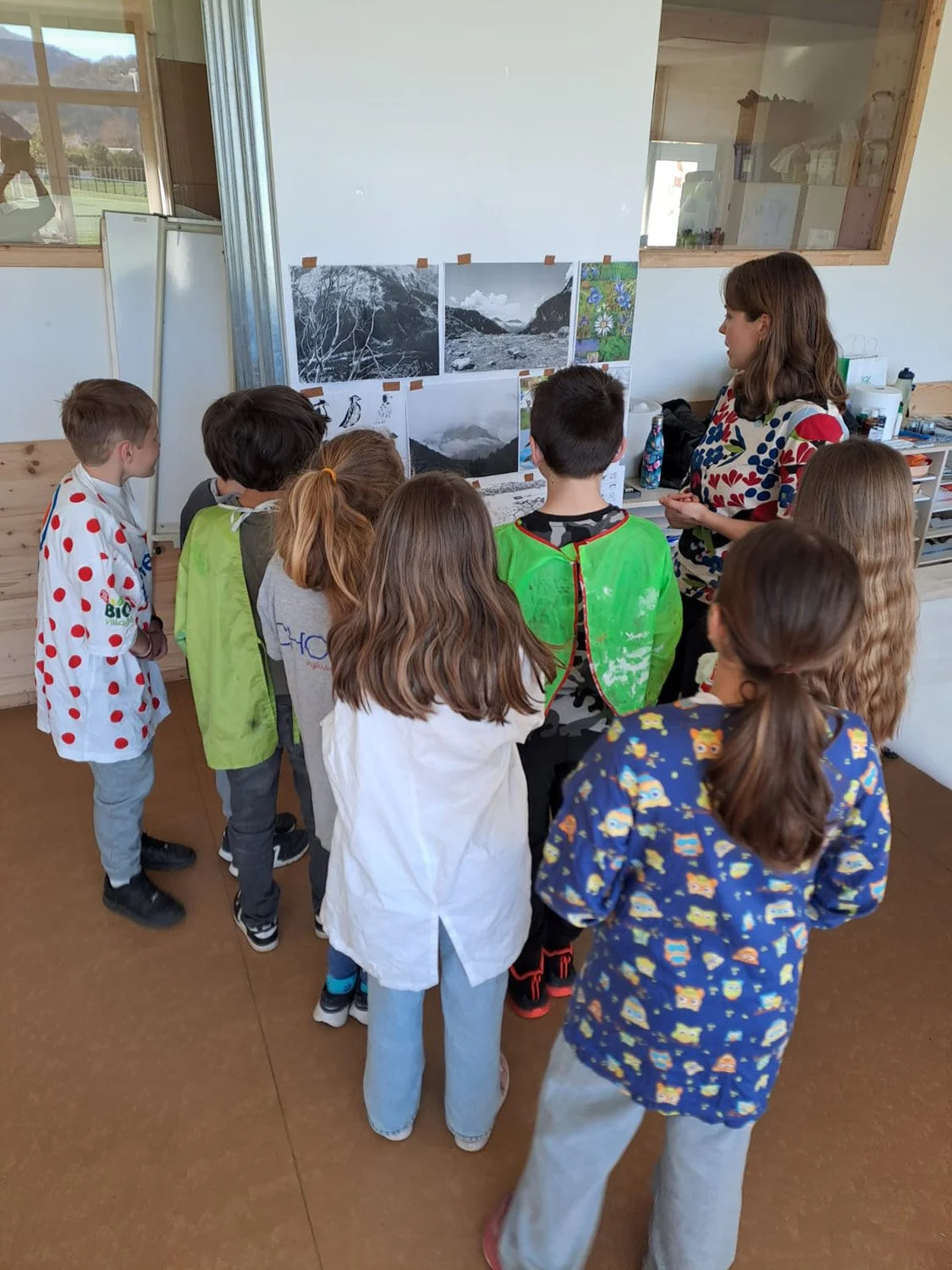
Découverte de différents types de cartes et de la cartographie artistique
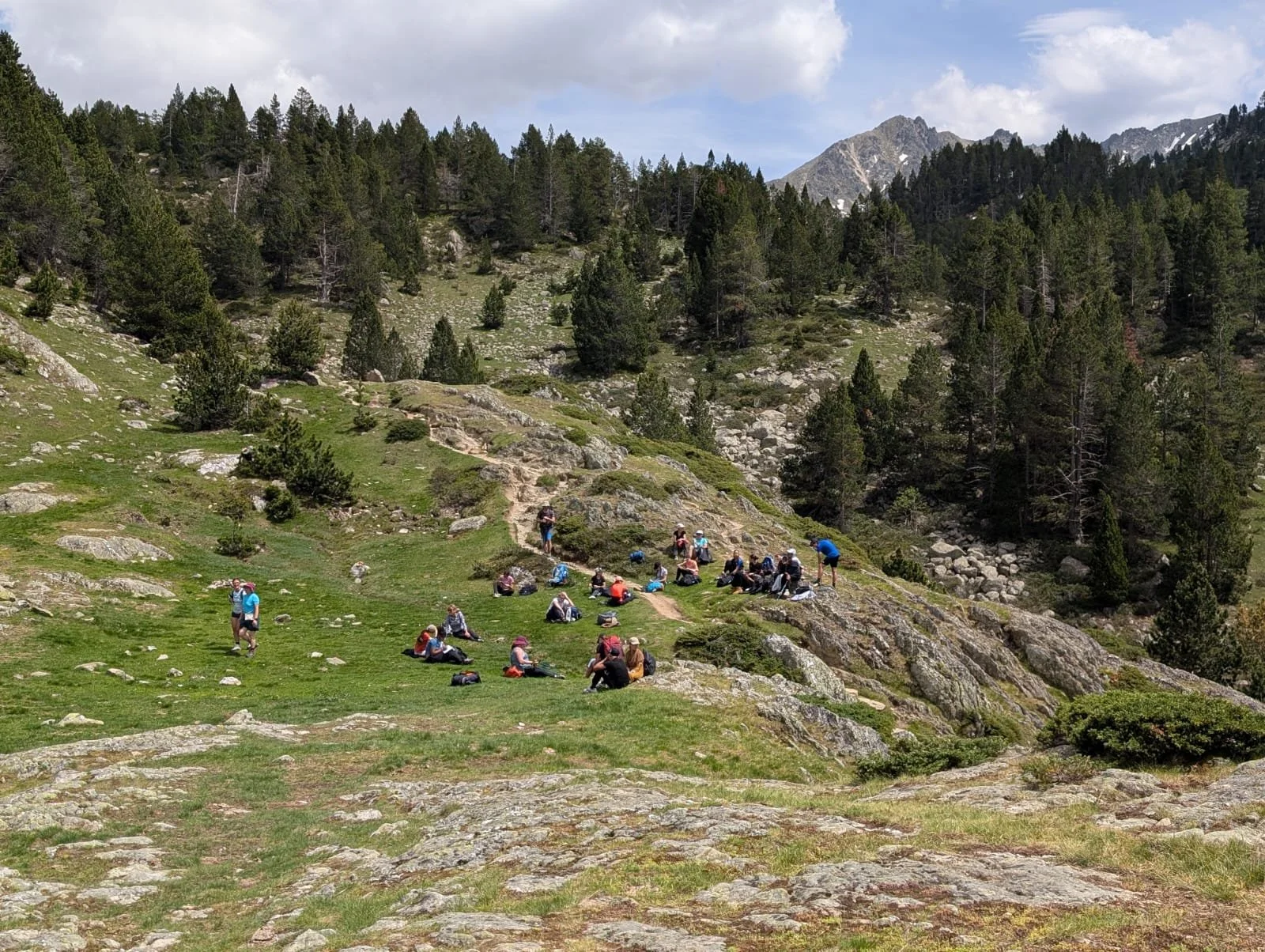
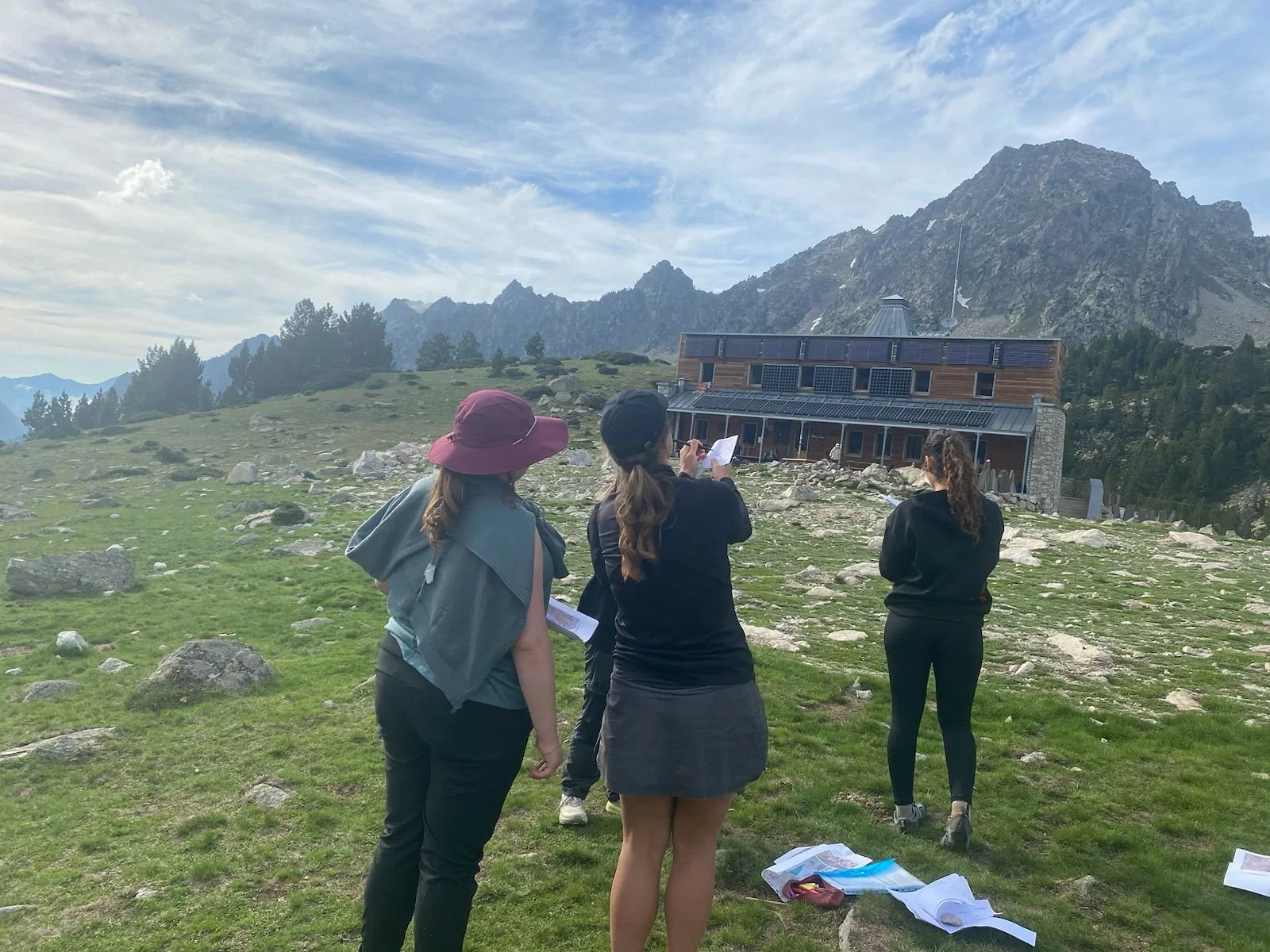
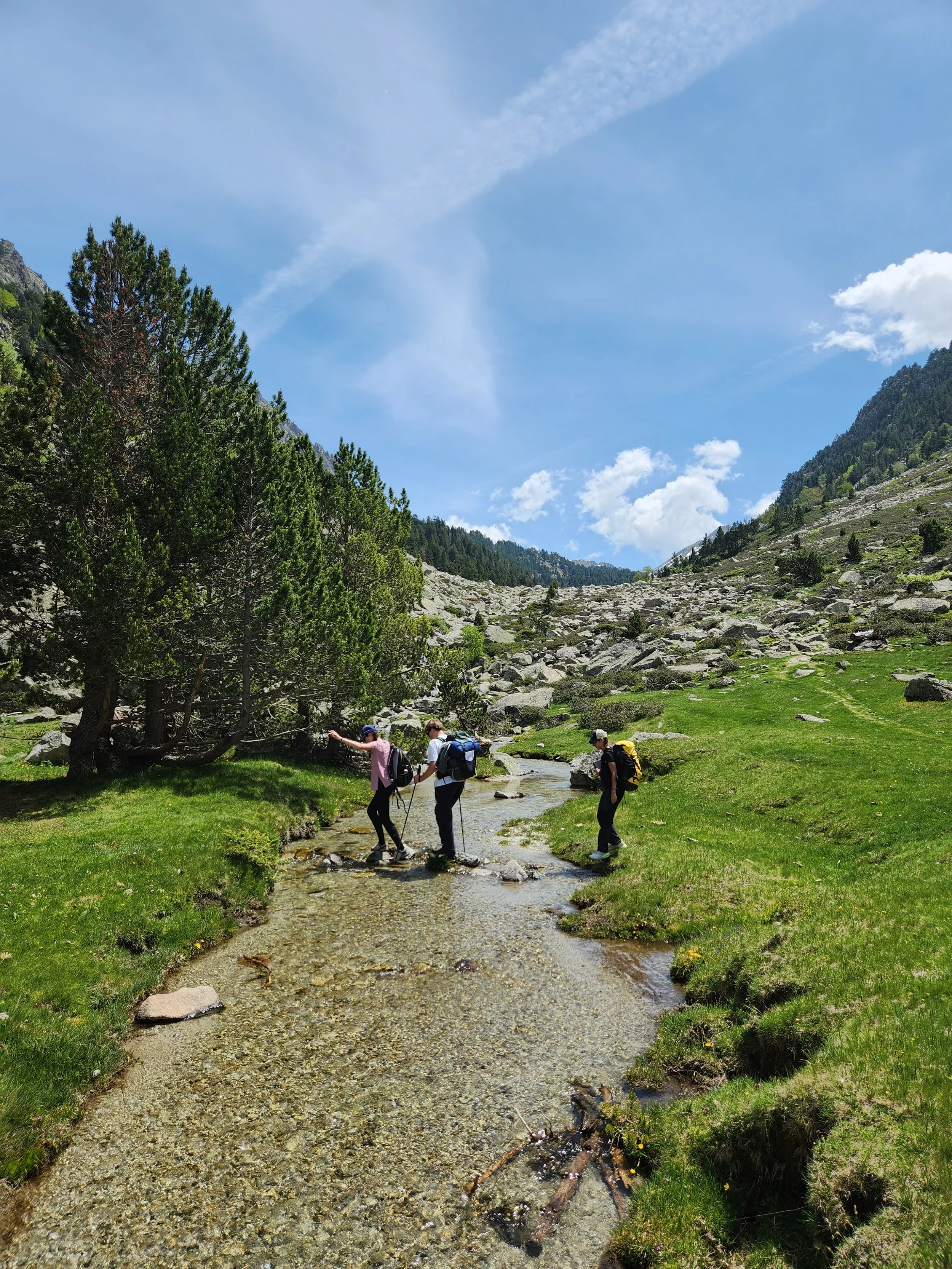
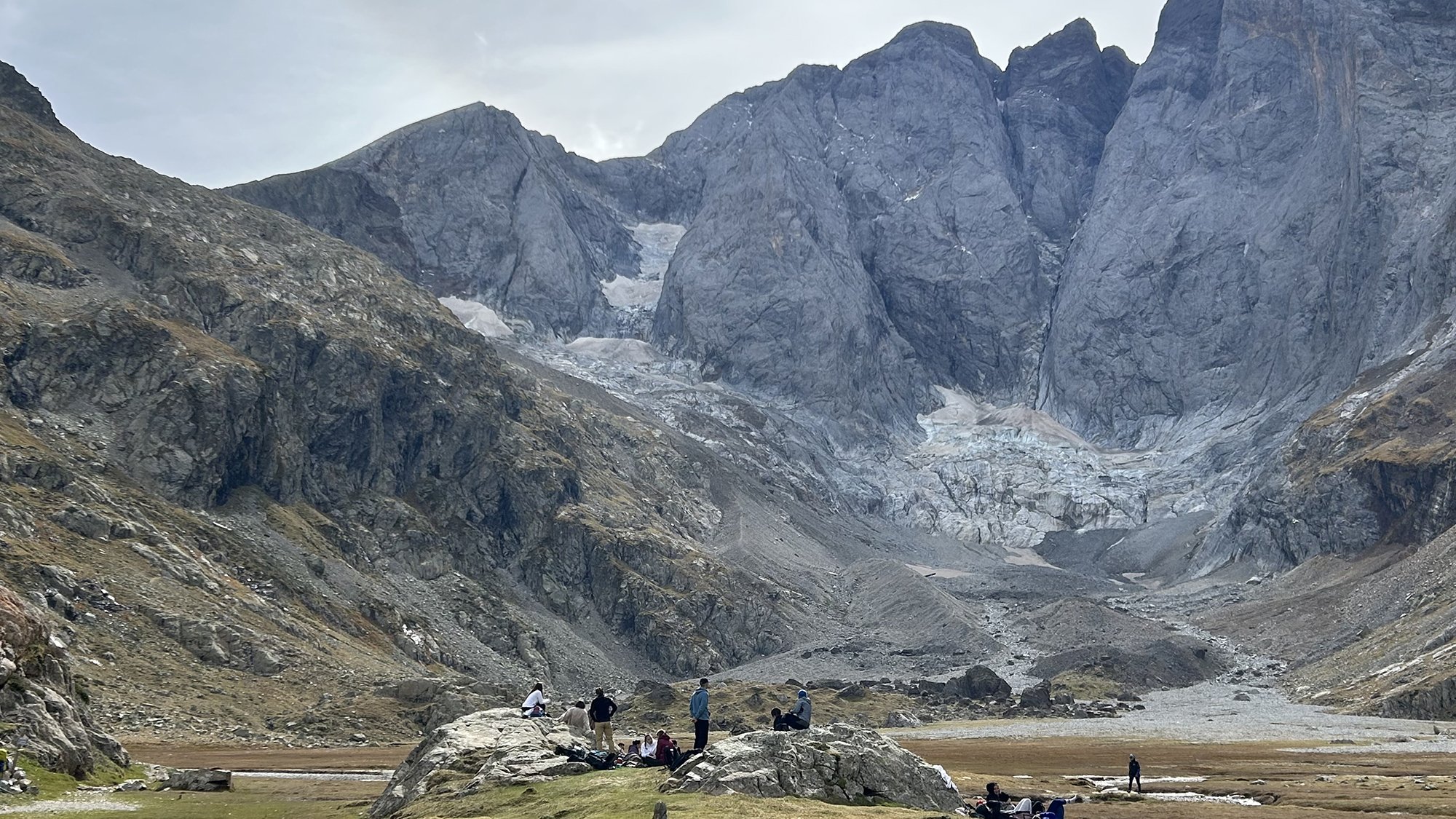
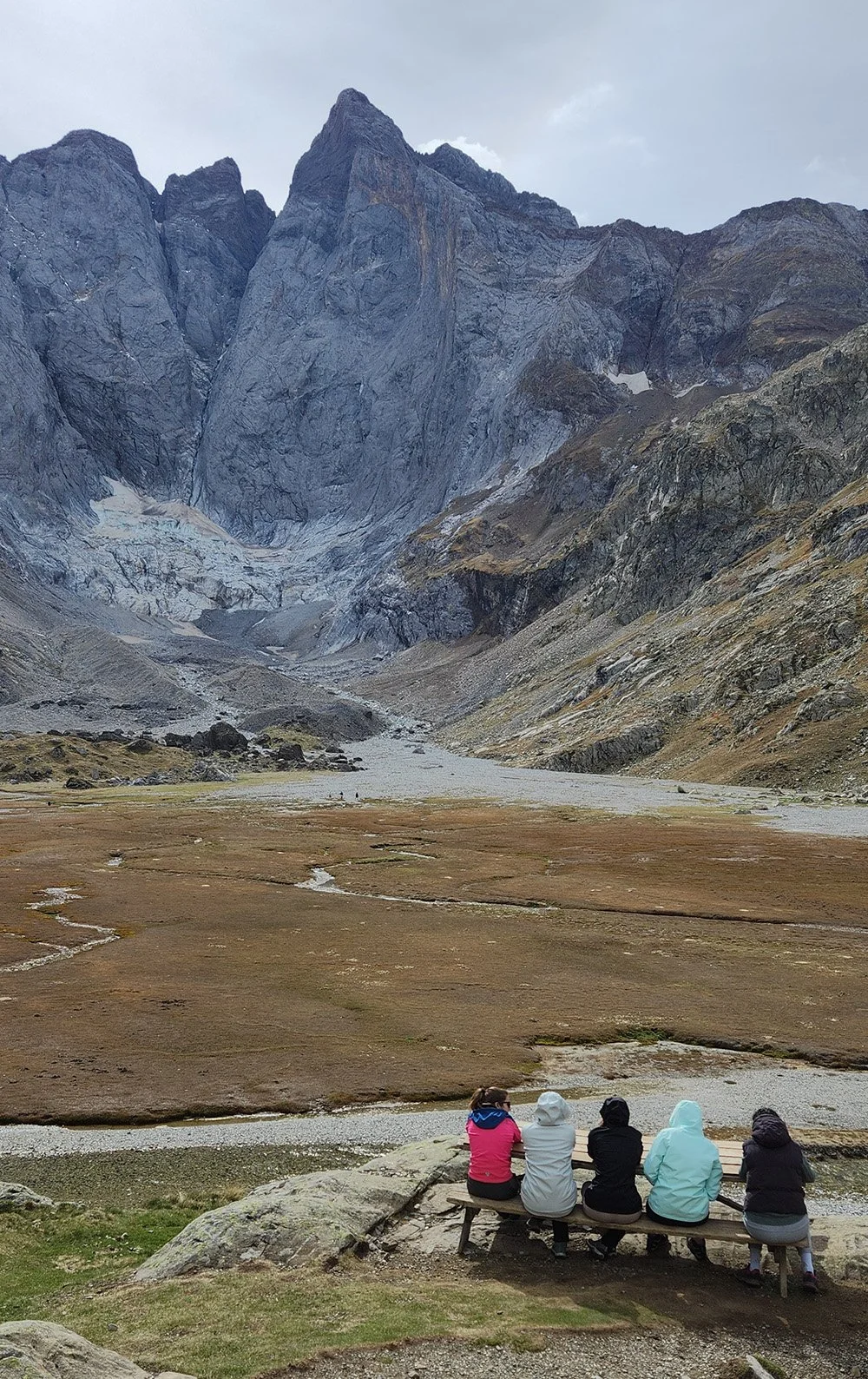
Repérages & randonnées sensibles
Introduction à la cartographie sensible et imaginaire
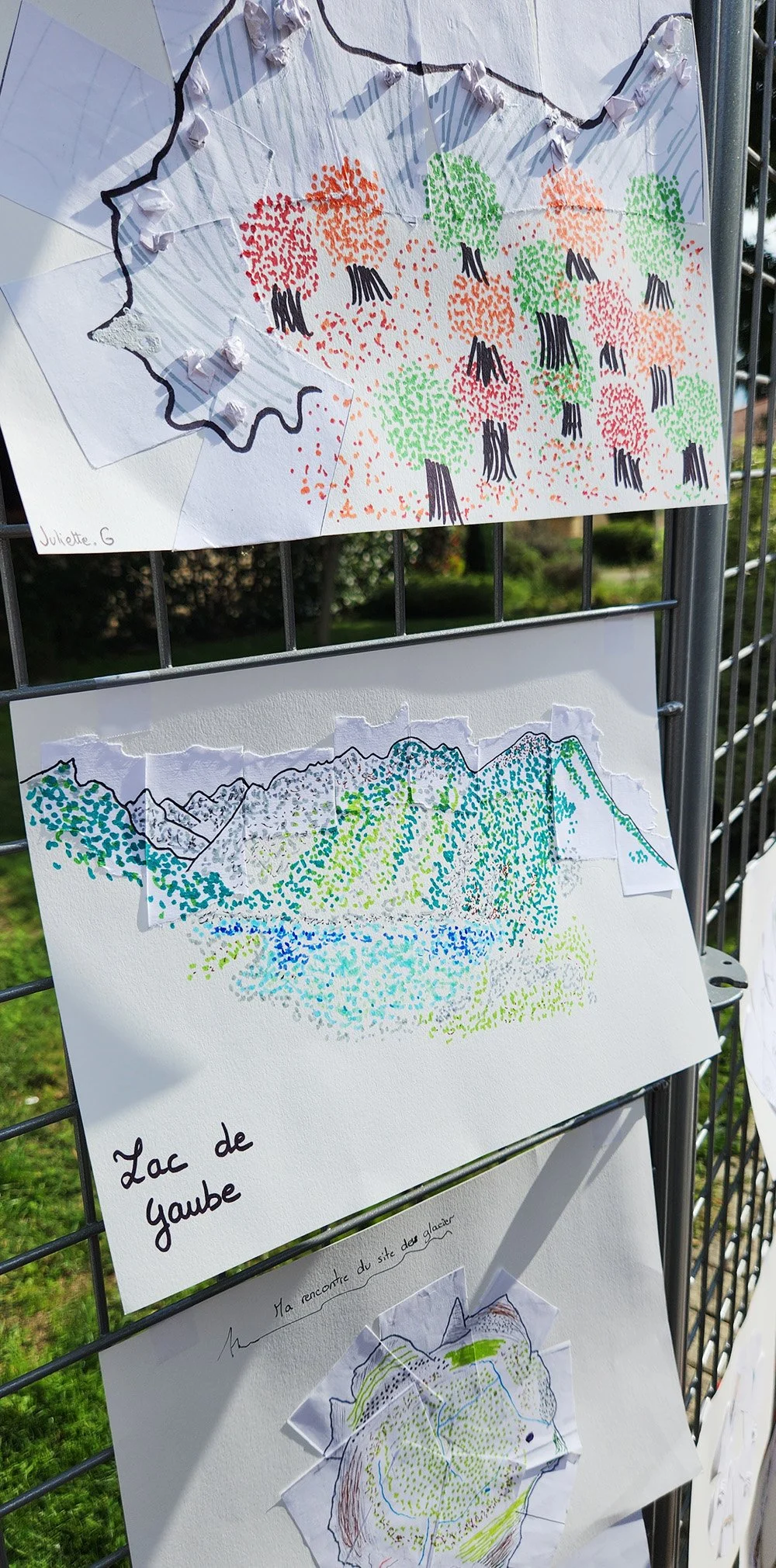
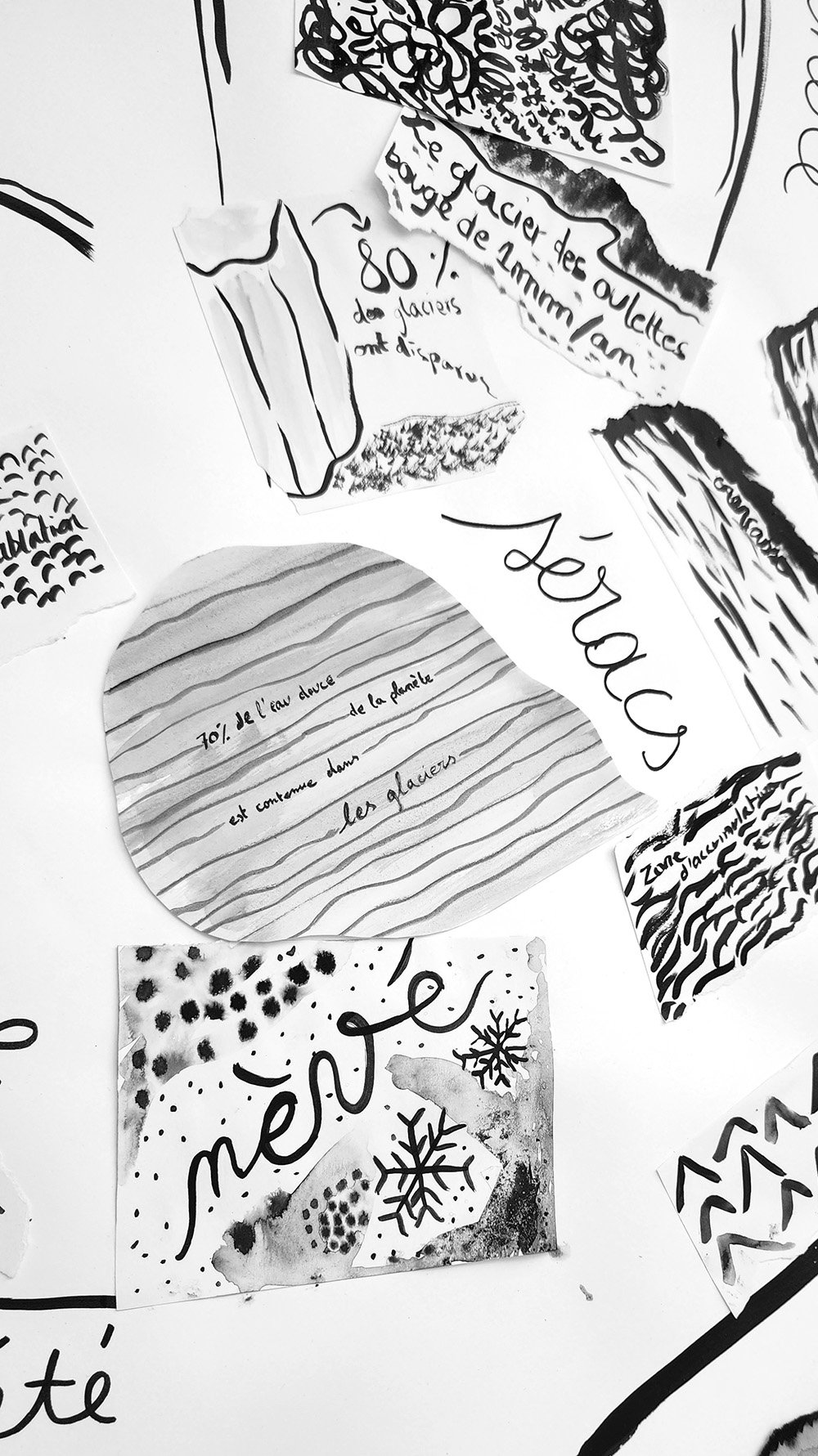
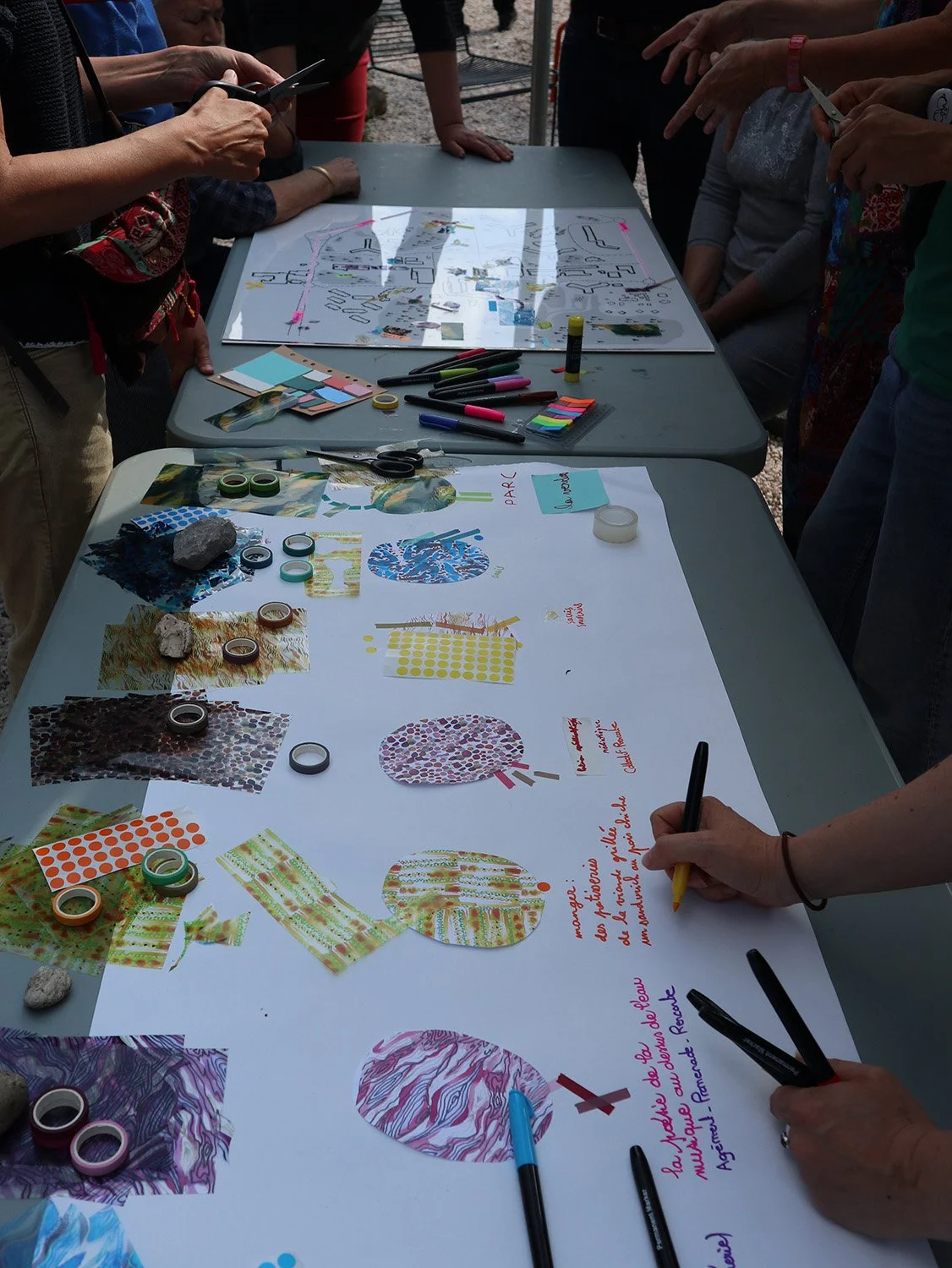
Expérimentation de techniques plastiques (encre, collage, textile, etc.)
Choix d’un sujet et processus de création d’une carte (géographique, thématique, poétique…)
Les ateliers reposent sur un cadre adaptable, conçu sur mesure selon les thématiques, les objectifs, la durée et les publics. Le contenu est élaboré en dialogue avec la structure partenaire, à partir de ses envies et besoins.
-
SENSORY MAPPING
For several years, I have been working with cartography in my artistic practice (sea maps, Pyrénées mountains). Without being a cartographer or geographer, I use and transform existing maps, either as painting surfaces or as material for cutting and assembling. I also create imaginary and unconventional maps.Alongside my artistic work, I run sensory mapping workshops. Since 2021, I have developed several formats of these workshops. These projects feed into my research and allow me to continually explore new approaches.
Sensory mapping offers a subjective way of reading a place. Rather than focusing on geographical accuracy, it emphasizes the sensations, emotions, and personal perceptions connected to an environment. It is a way of mapping what is lived and felt, as much as what is visible.
Typical workshop content may include:
Why we create maps and how they are made
An introduction to different types of maps and artistic cartography
Discovering sensory mapping
Experimenting with artistic techniques (ink, collage, textile, etc.)
Choosing a subject and developing the mapping process
The workshops are based on a flexible framework that can be adapted to different themes, goals, timeframes, and audiences. The content is developed in collaboration with the partner organization, according to their needs and interests.